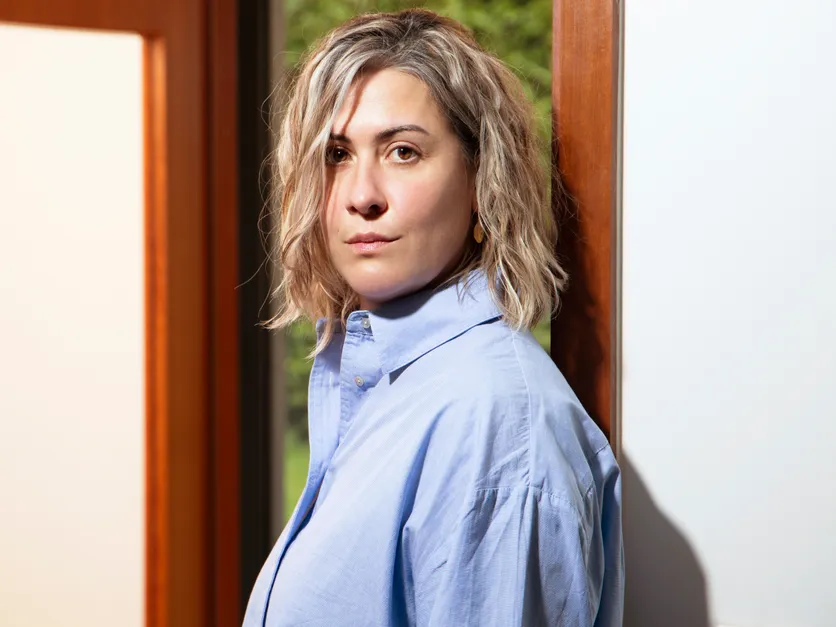


« There are crimes that cannot be told, because they cannot be remembered »
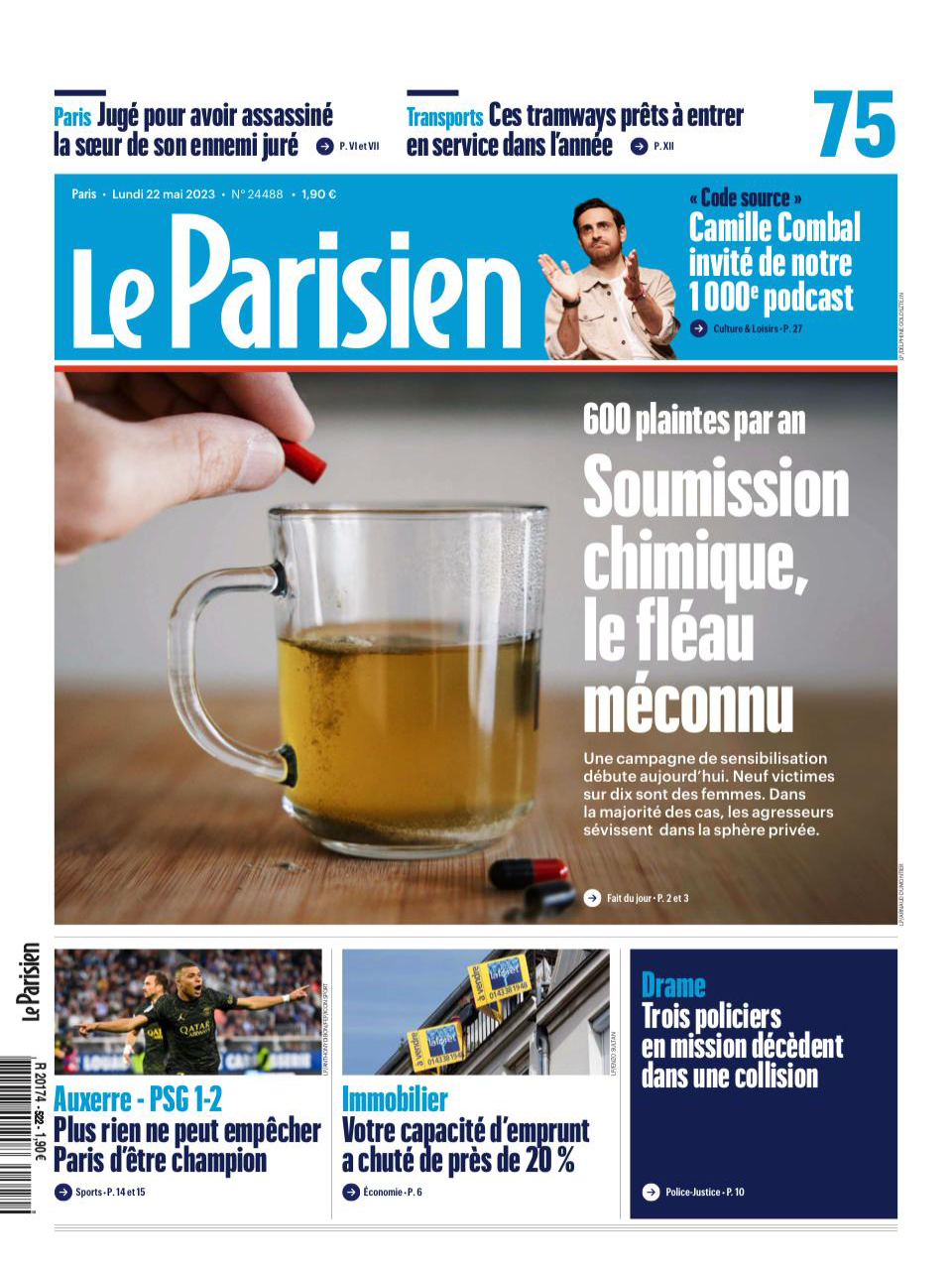
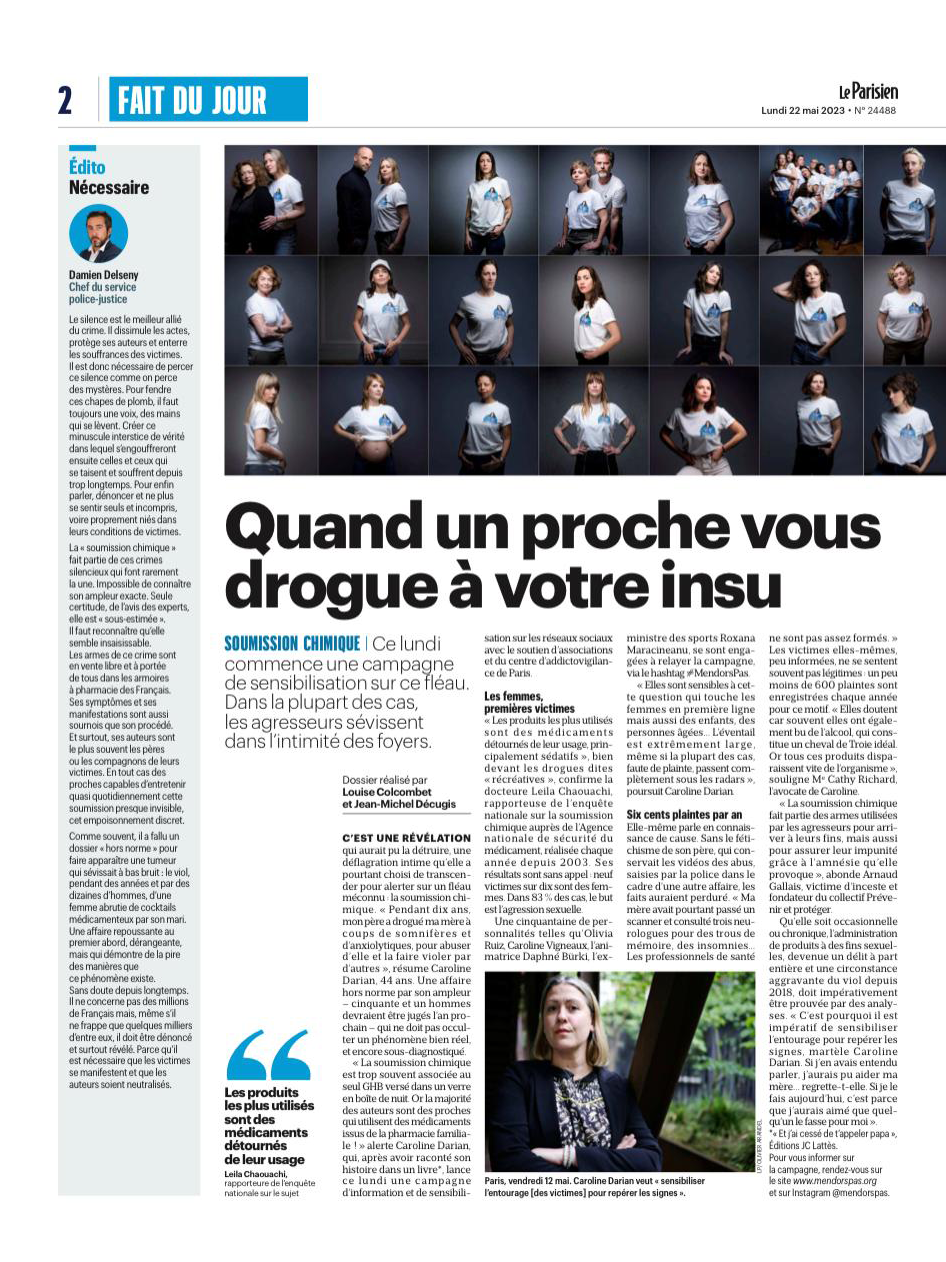
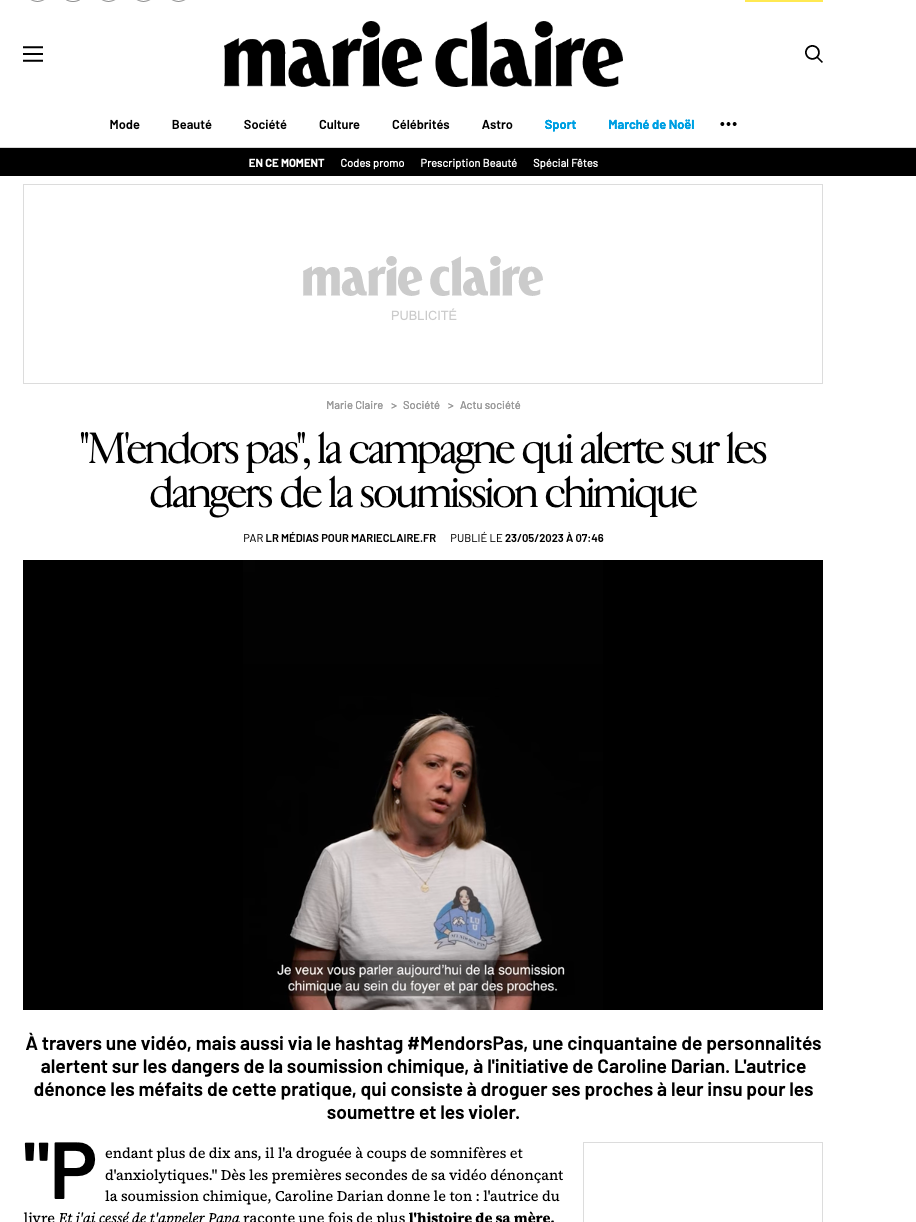
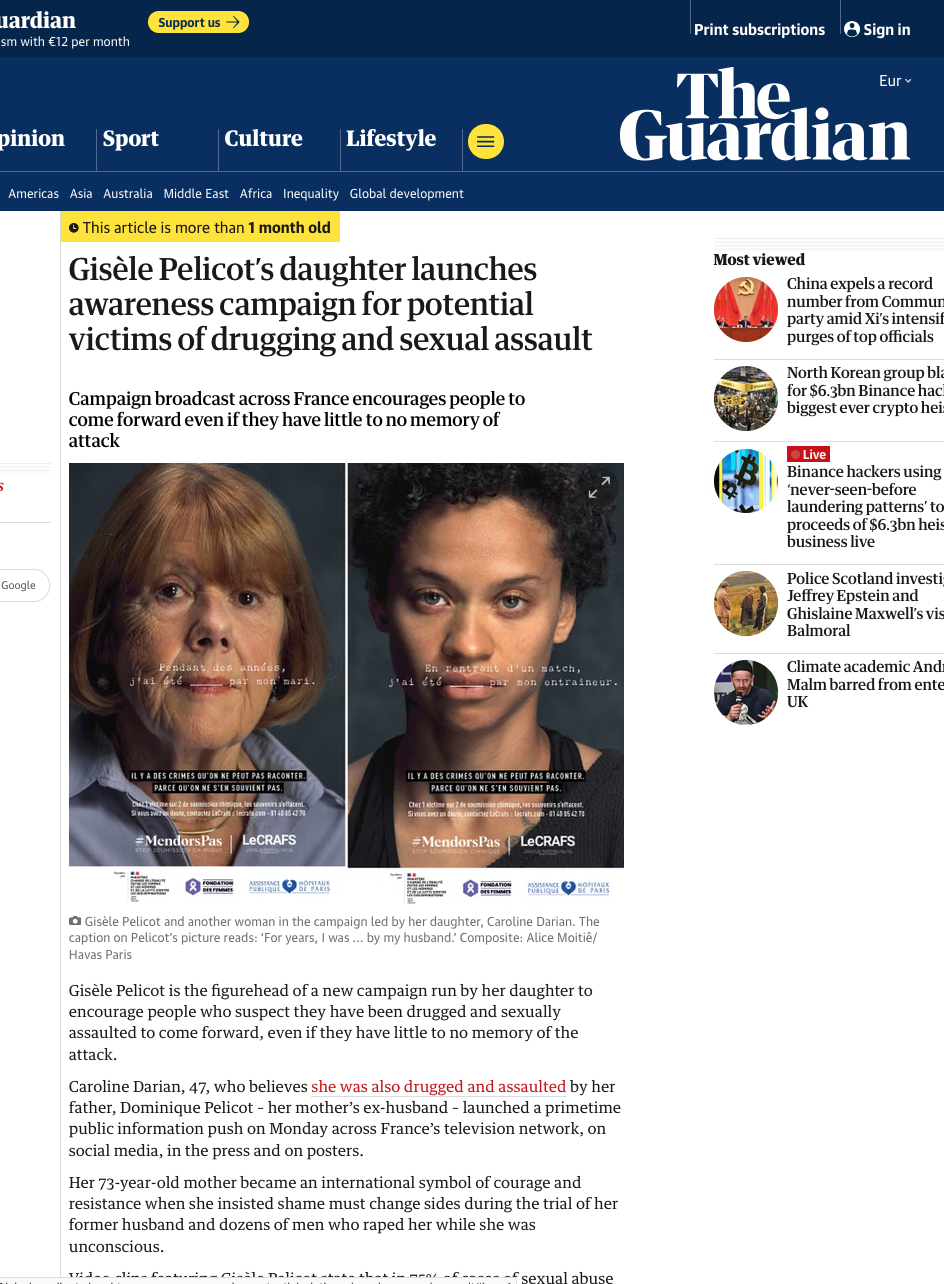
The association M’endors pas has launched the first national awareness campaign on chemical submission.
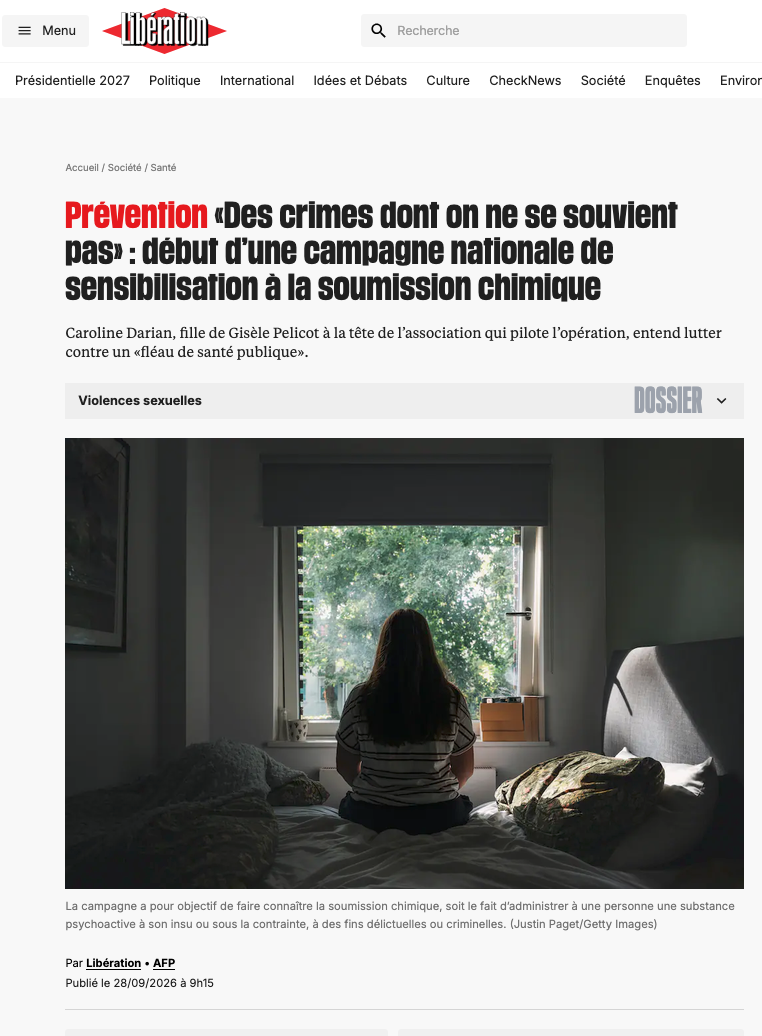
Chemical submission consists of administering a psychoactive substance to a person without their knowledge or under duress, with the intent to commit a crime or an offence. The victim often retains no memory of it, which makes it one of the most difficult forms of violence to identify.
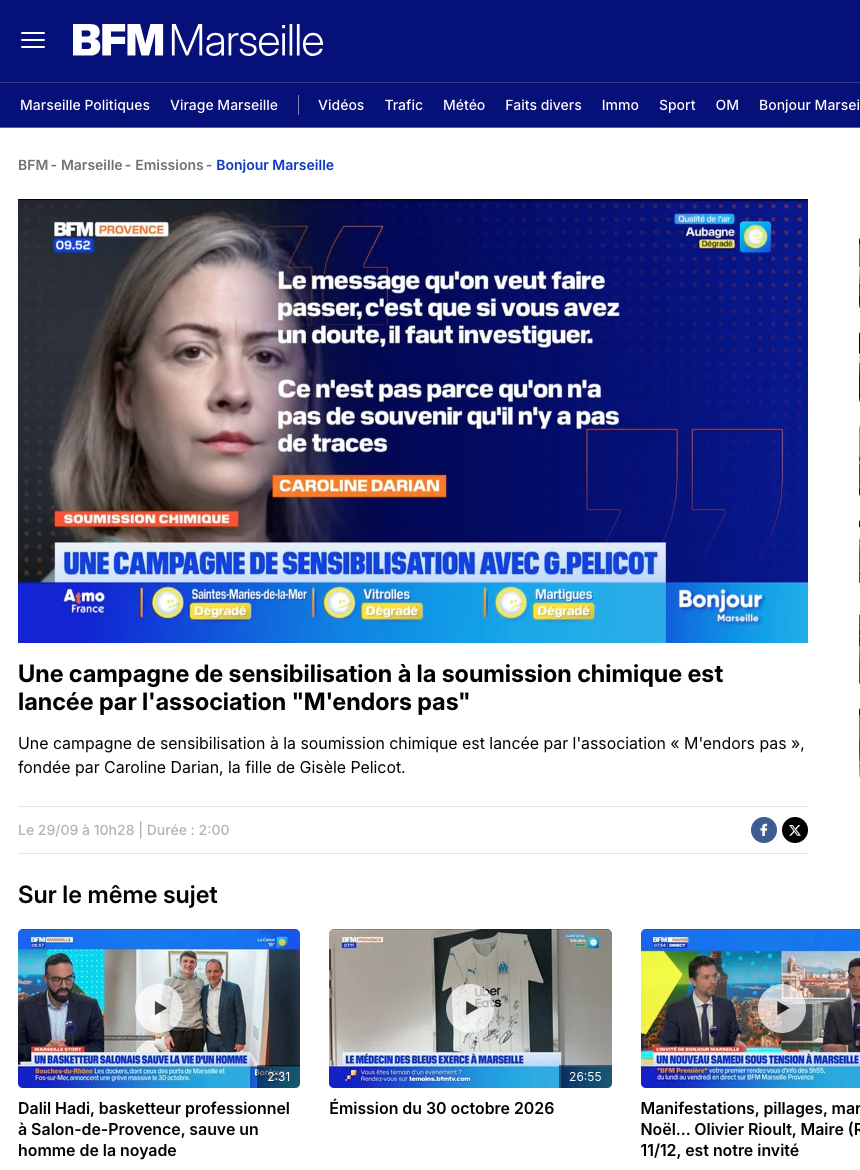
« Just because you have no memories doesn’t mean there are no traces. »
Doubt is a signal to be taken seriously. Tests are possible, and specialized professionals can guide you.
Do you have doubts? The CRAFS (Reference Centre on Substance-Facilitated Assaults), advises victims and the professionals who support them. It is a resource centre and a national telephone advice service specialized in chemical submission and chemical vulnerability. CRAFS professionals are women pharmacologists and public health experts, specialized in the criminal use of substances and trained in sexual and gender-based violence and psychotrauma. Psychologists and nurses complete the team.
CAMPAIGN KIT
Are you a healthcare professional, or simply interested in downloading and sharing our campaign materials?
CHEMICAL SUBMISSION
Chemical submission & chemical vulnerability.
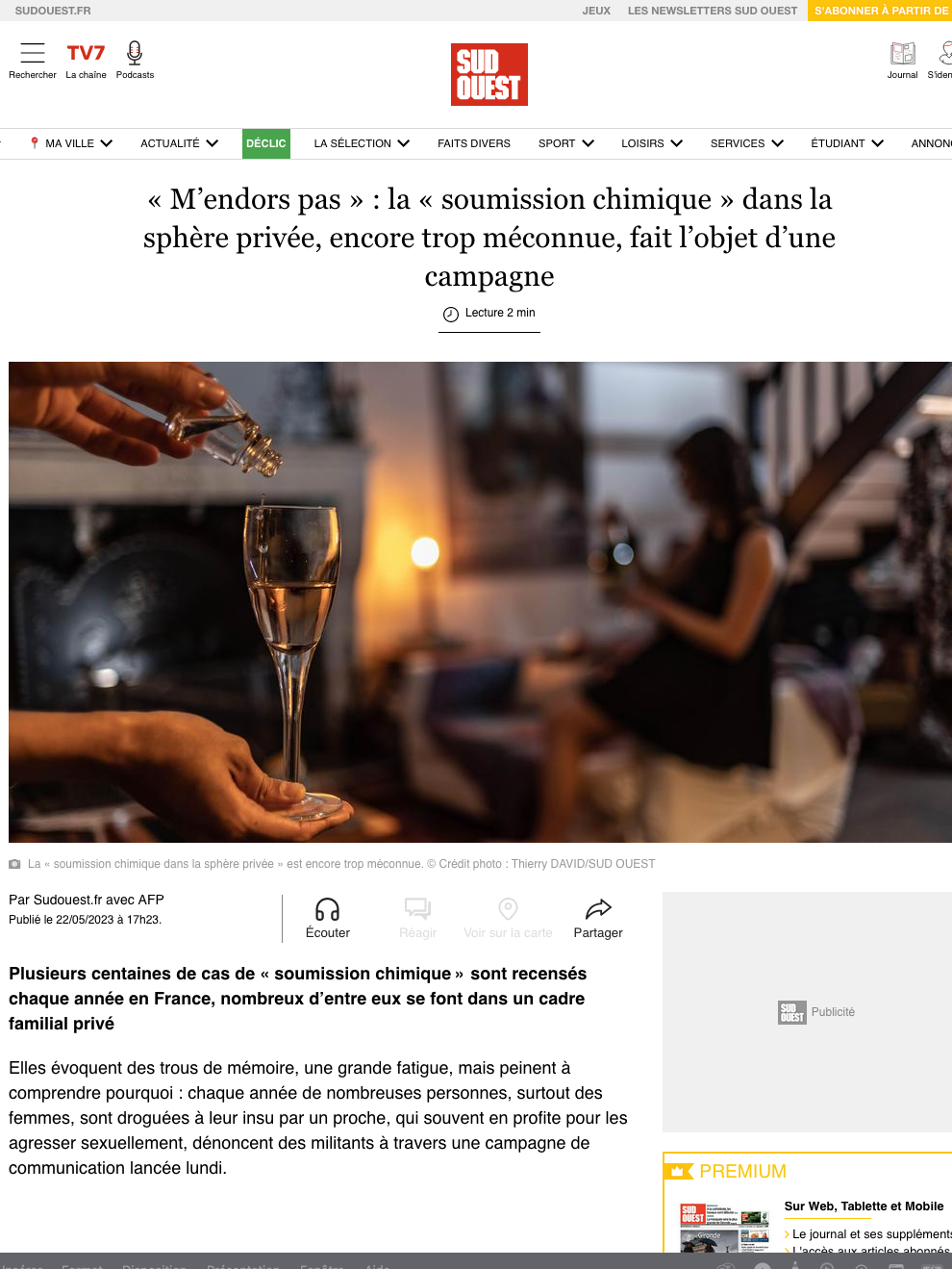
Chemical submission refers to the administration of psychoactive substances to a person, without their knowledge or under threat, in order to commit a crime (rape, homicide) or an offence (violence, theft).
Chemical vulnerability refers to the state of fragility of a person who has voluntarily consumed a substance (alcohol, drugs, medication). An aggressor may take advantage of this opportunistically, or may have encouraged the person to consume in order to assault them more easily.
In either case, the victim is never responsible for what they have suffered. These two situations are grouped under the term substance-facilitated assaults (SFA).
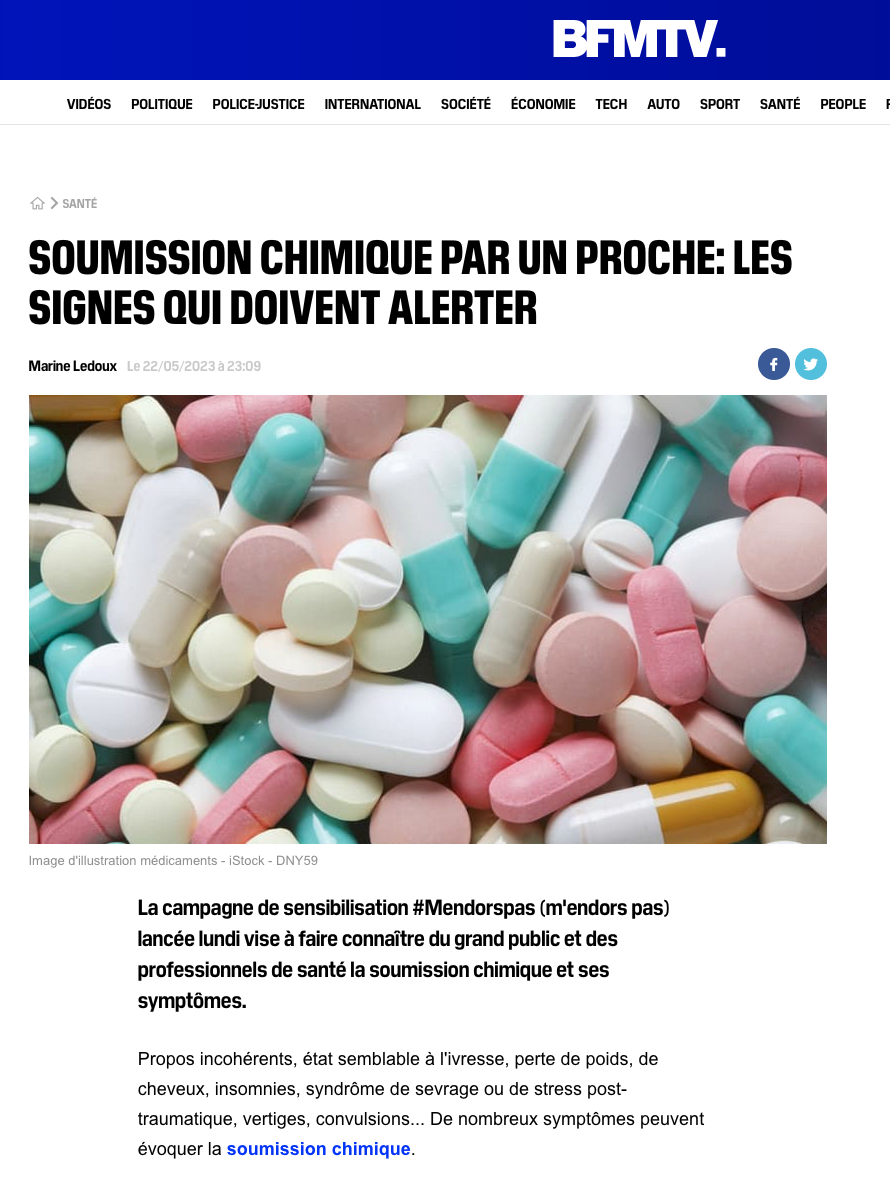
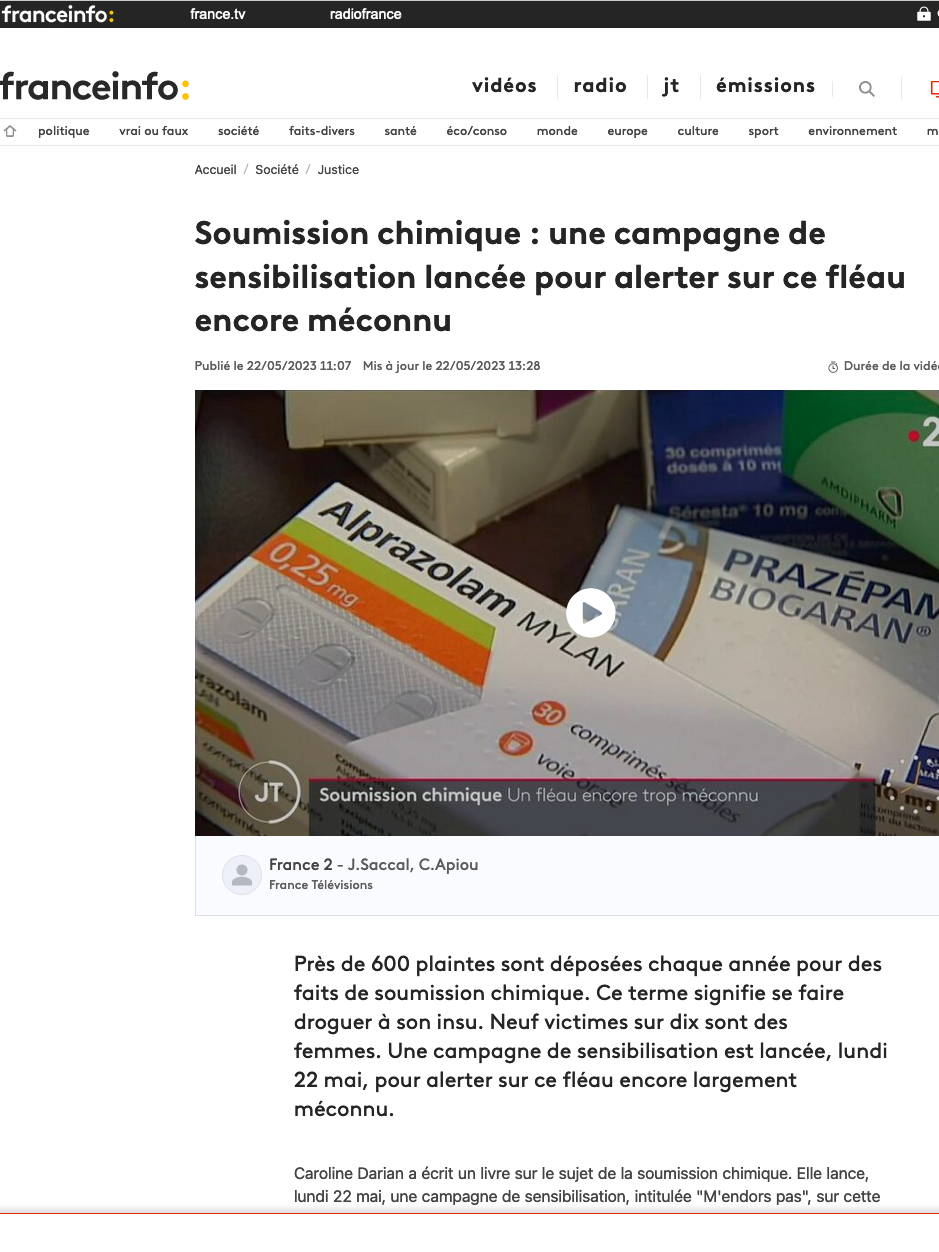
Contrary to popular belief, chemical submission is not limited to the use of GHB, better known as the « date rape drug ». The substances used are mostly sedative medications: sleeping pills, anti-anxiety drugs and antihistamines.
Nor is it limited to parties: it also occurs at home, at work, within couples and within families.
How many victims are there, exactly, and who are they?
The figures from the 2024 national survey
Since 2003, the Paris addictovigilance centre has recorded, each year and under the supervision of the ANSM, cases of substance-facilitated assaults. These figures reflect the reports made, not the total number of victims: chemical submission is probably still largely underestimated.
1,377 reports of substance-facilitated assaults in 2024, 30.4% more than in 2023.
- 85.5% of victims are women, aged from 9 months to 92 years.
- 96.4% of perpetrators are men. In 57.9% of cases, they are known to the victim.
In cases of probable chemical submission:
- 3 out of 4 perpetrators are known to the victim.
- More than half of the incidents take place in a private setting.
- 2 out of 3 victims report amnesia of the events, and only 1 in 5 shows signs of physical violence. The absence of memories or visible marks does not mean that nothing happened.
- Among the victims, there are 36 minors, including 24 children under 15. Among those under 15, the perpetrator is a close relative in 13 of the 15 known cases.
- Sedative medications account for 59.6% of the substances identified.
Across all situations, substance-facilitated assaults most often occur in a festive context (56.5% of cases). For chemical submission, however, the private sphere predominates.
What protects: solidarity-based vigilance
The survey highlights the protective role of those around us: never losing sight of loved ones, helping one another, raising the alarm. Listening to one’s own doubts, getting out of the danger zone or calling for help are also protective reflexes.
Source: National Survey on Chemical Submission, 2024 results (no. 20), Paris Addictovigilance Centre (CEIP-A), with the support of the French National Agency for the Safety of Medicines and Health Products (ANSM).Read the survey
SOND THE ALARM
When medication becomes a weapon
chemical submission as a Public Health issue.
Medication (available with or without a prescription) – not GHB and illegal drugs – lies at the heart of chemical abuse, with anxiolytics, sleeping pills, and antihistamines being misused for their sedative properties.
Beyond putting victims to sleep, such medications can cause amnesia, thereby erasing memories of the abuse. Sexual assault (including marital and incestuous rape) is not the only consequence – theft, extortion of an inheritance, physical violence, and even human trafficking (pimping) can occur.
Domestic stocks of medication, easily accessible via the family’s medicine cabinet, provide a ready source of supply for abusers, who use a variety of techniques to dose their victims. Clandestine drugging, if repeated or prolonged so as to become routine, is particularly dangerous for the victim’s health.
Whereas social media campaigns have highlighted drug-fuelled abuse in clubs and bars, chemical submission in private settings is still rarely addressed. Given its insidious and widespread nature, it is essential it be more widely recognised, by both the general public and professionals.
It is essential to shed light on this abuse is essential because – above and beyond the sensational news stories – it is a real public health issue. The immediate and serious health risks (falls, comas, unwanted pregnancies, infections, etc.) are compounded by the consequences of long-term exposure (insomnia, memory issues, neurological disorders, weight loss, road accidents, addiction, etc.).
Unaware of the violence they have suffered, and facing symptoms that to them are inexplicable, victims may visit doctors multiple times without ever obtaining a satisfactory diagnostic. And when the victim finally becomes aware of what has happened, the psychological impact is significant and requires specialized care.
HELP THE VICTIMS
Phrases that should raise questions … for oneself and for others
« I feel unusually tired, I keep dozing off. »
« I keep having memory gaps. »
« I can’t remember having sex. »
« I wasn’t wearing these clothes yesterday. »
« I would never have spent that much money. »
« I would never have agreed to that loan. »
« I never fancied him. He knows that. »
« Images keep haunting me. Are they real?! »
« My coffee had a weird taste. »
SIGNS & SYMPTOMS
Amnesia, drowsiness (up to, and including, a coma), neurological disorders (dizziness, convulsions…), changes in behave, digestive issues (nausea, vomiting…), …
All of these are possible signs of chemical submission, particularly when accompanied by other clues suggesting an assault took place (cuts, bruises, disordered clothing, missing credit cards or cheque books, stolen objects, discovery of suspicious substances, etc.).
What to do if you suspect chemical submission in a domestic setting?
Don’t keep it to yourself: talking to someone is critical.
National free hotline:
CRAFS
(Reference Centre on Substance-Facilitated Assaults):
(Monday to Friday; 9am–1pm / 2pm–6pm)
Other free and anonymous helplines are also available
France Victime : 116 006 (7j/7 ; 24h/24)
Violences Femmes Info : 3919 (7j/7 ; 24h/24)
Dispositif Drogues Info Service : 0 800 23 13 13 (7j/7 ; 08h-02h)
Enfance en danger : 119
IN CASE OF EMERGENCY
do not hesitate to contact:
- Police secours – 17
- Numéro d’urgence européen – 112
- Numéro d’urgence pour les violences intrafamiliales et personnes sourdes ou malentendantes – 114 (par SMS)
- Samu – 15
Good to know :
Precautions to take in the event of a confirmed or suspected assault:
- Keep the means used to deliver the drug (drink, food, etc.).
- Keep the suspected drug (product or medication).
- Keep a sample of your hair: products used for chemical submission vanish quickly from blood and urine (within hours to days, depending on the substances used), but can often still be detected through analysis of hair. To ensure this is possible, do not cut, dye, bleach, or apply any harsh treatments to your hair.
If you decide the file a complaint, any of these elements will prove valuable.
Whatever you decide to do, you should see a doctor, especially in the case of sexual assault (given the risk of unwanted pregnancy and sexually transmitted infections). Many free centres exist that provide information, screening, and diagnoses (known as CEGIDD).
For more information :
What to do if you are a witness or know a victim?
If you witness a chemical submission in a private setting, your priority is to reassure the victim, inform them about steps they can take, and provide support if they wish to proceed.
The most important thing is to remain compassionate and attentive.
Keep in mind that supporting a victim means respecting their choices, even if those choices differ from what you would do yourself. If the victim does not wish to file a complaint, that is her right.
However, when it comes to a vulnerable person (children, the elderly, people with disabilities, those under legal protection, etc.) it’s your duty to take the initiative.
Know that the advice we provide is also available for you.
Each of the services mentioned above is open to witnesses and loved ones. Psychological support is not only crucial for victims – it’s important for you.
THE ASSOCIATION
Don’t put me under : Stop Chemical Submission
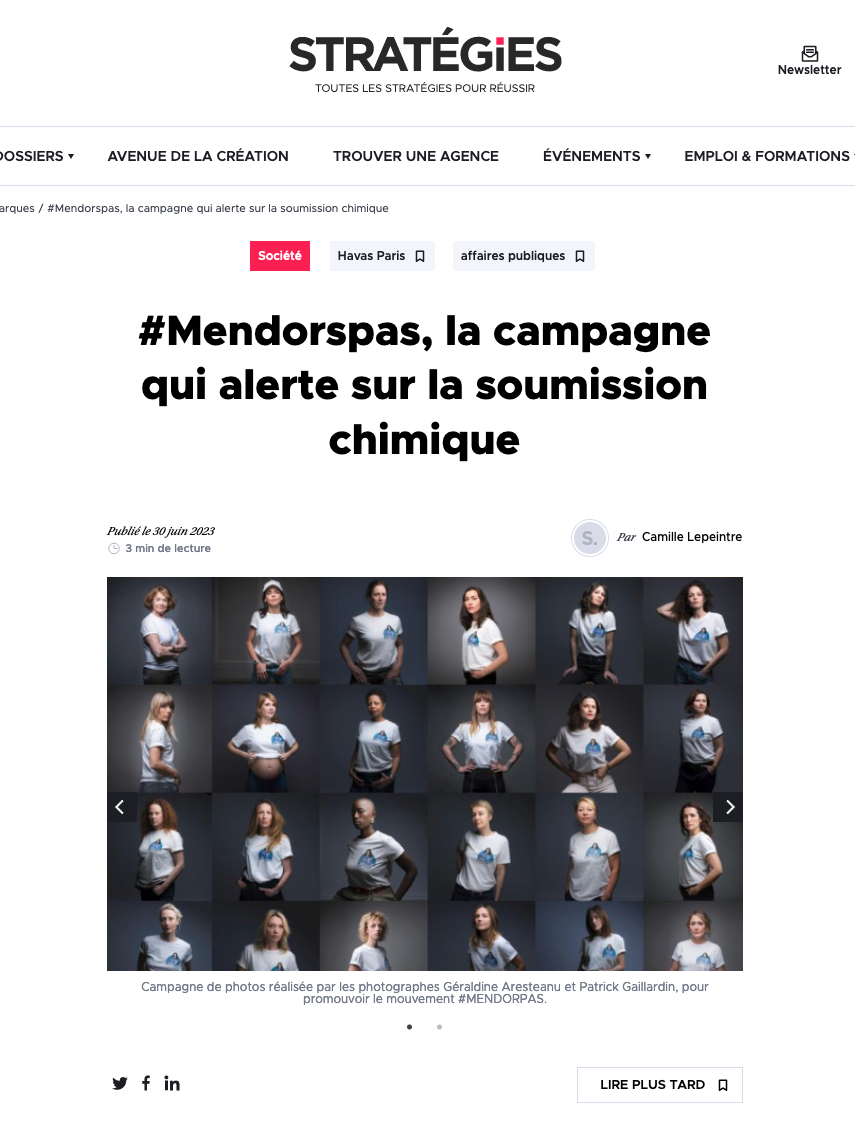
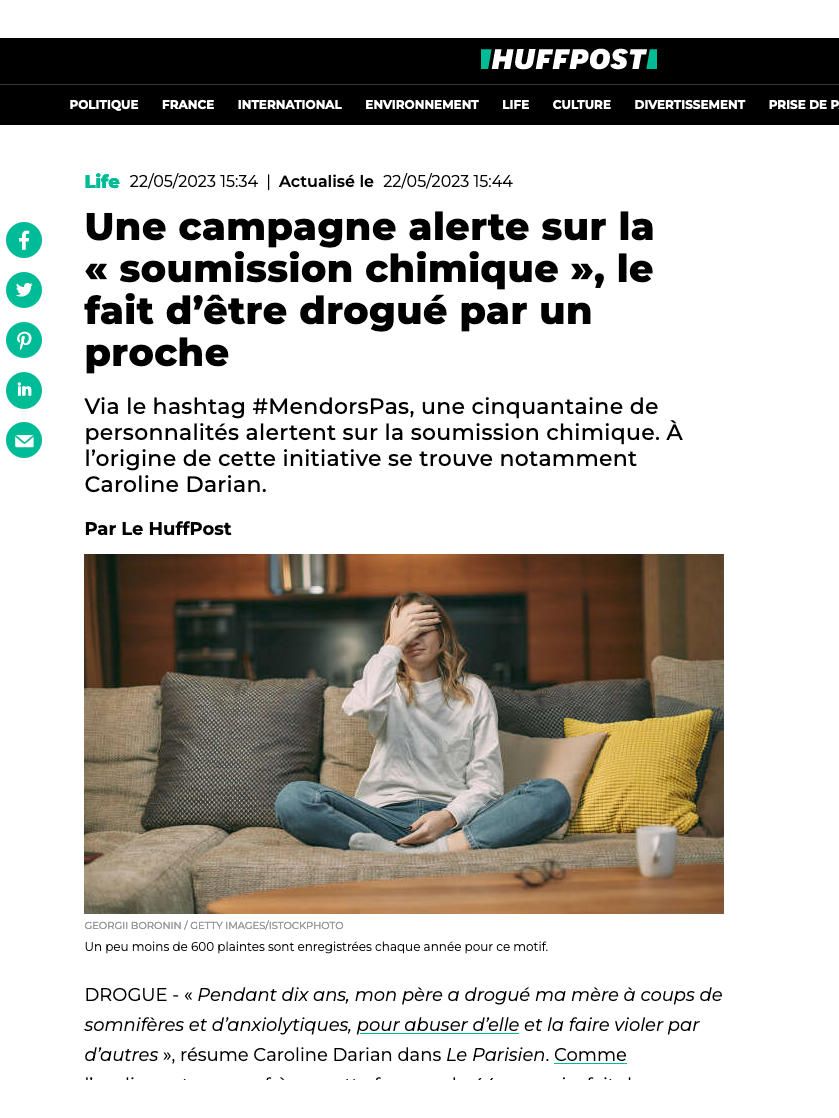
Our association emerged from the #Mendorspas movement created in May 2023.
It works to ensure that chemical dependency is recognized, identified, and treated, regardless of the context: social, professional, marital, or family.
OUR MISSIONS
- To inform the general public about chemical dependency, its signs, and available resources.
- To train professionals and institutions, both public and private.
- To prevent and protect, for better care of victims.
The association is a nonprofit, secular, and nonpartisan organization.
THE TEAM
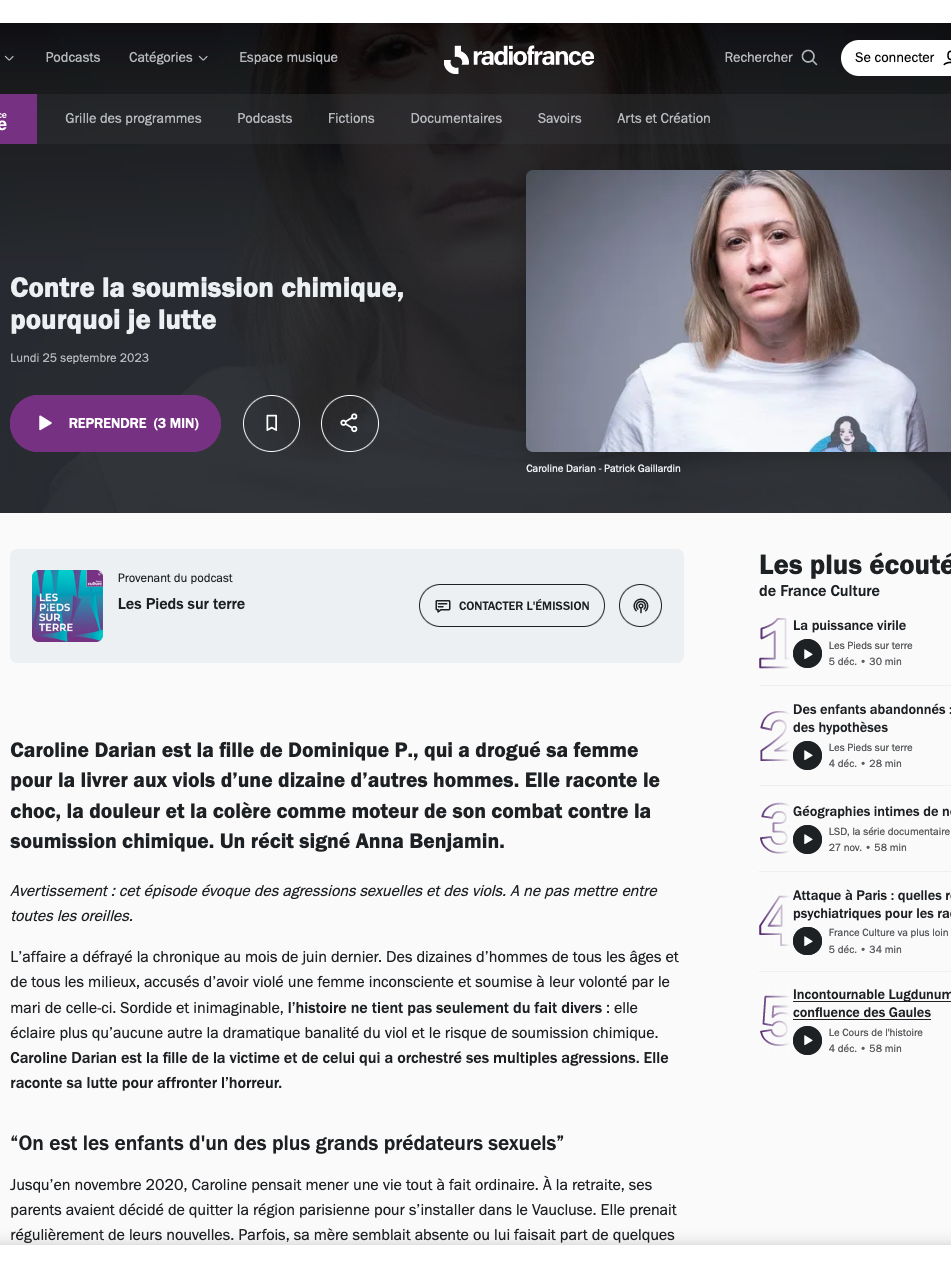
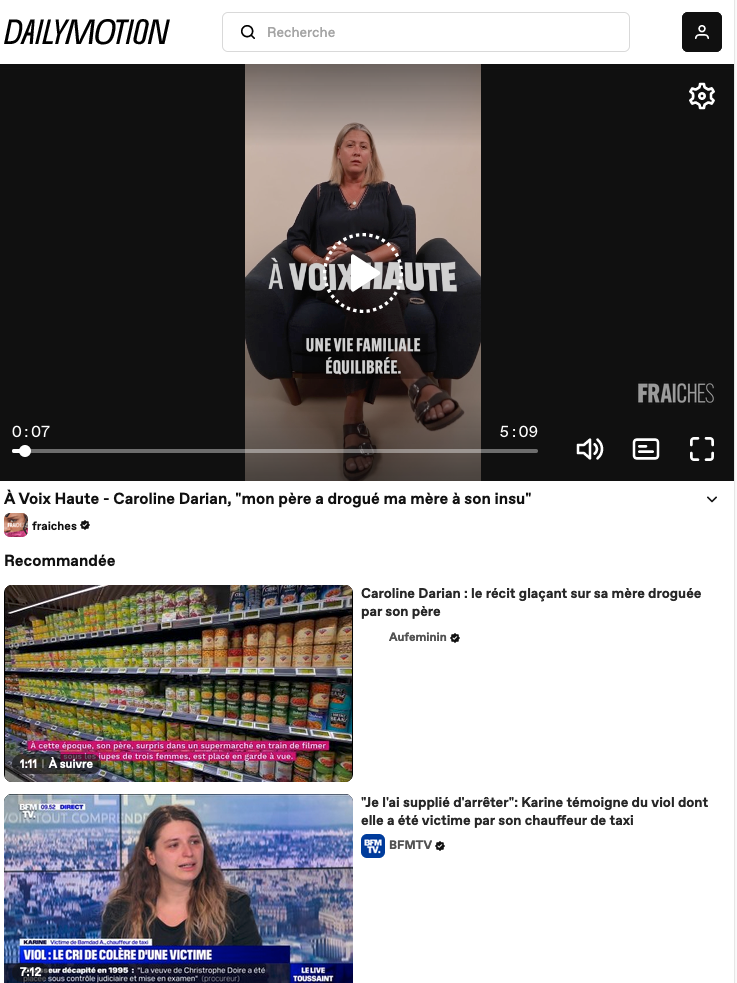
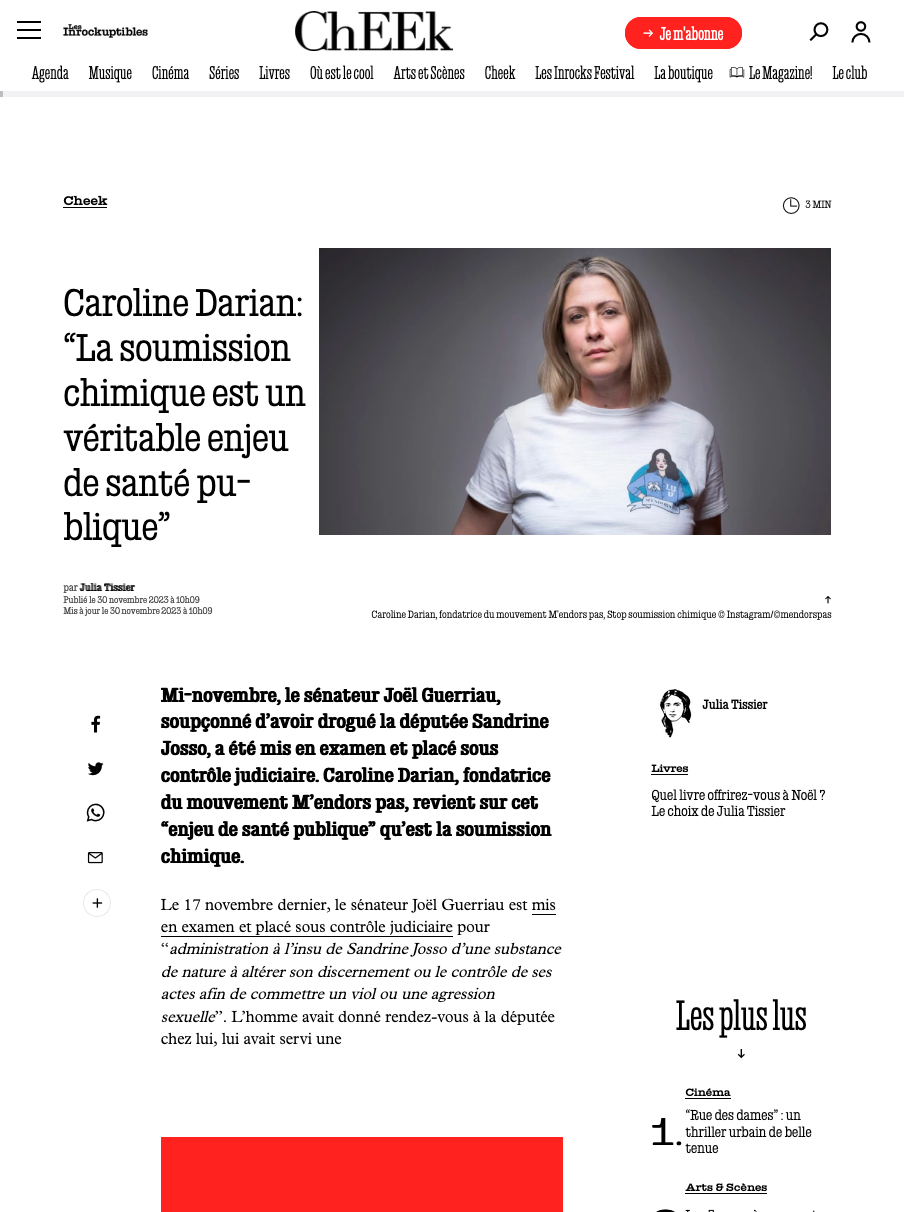
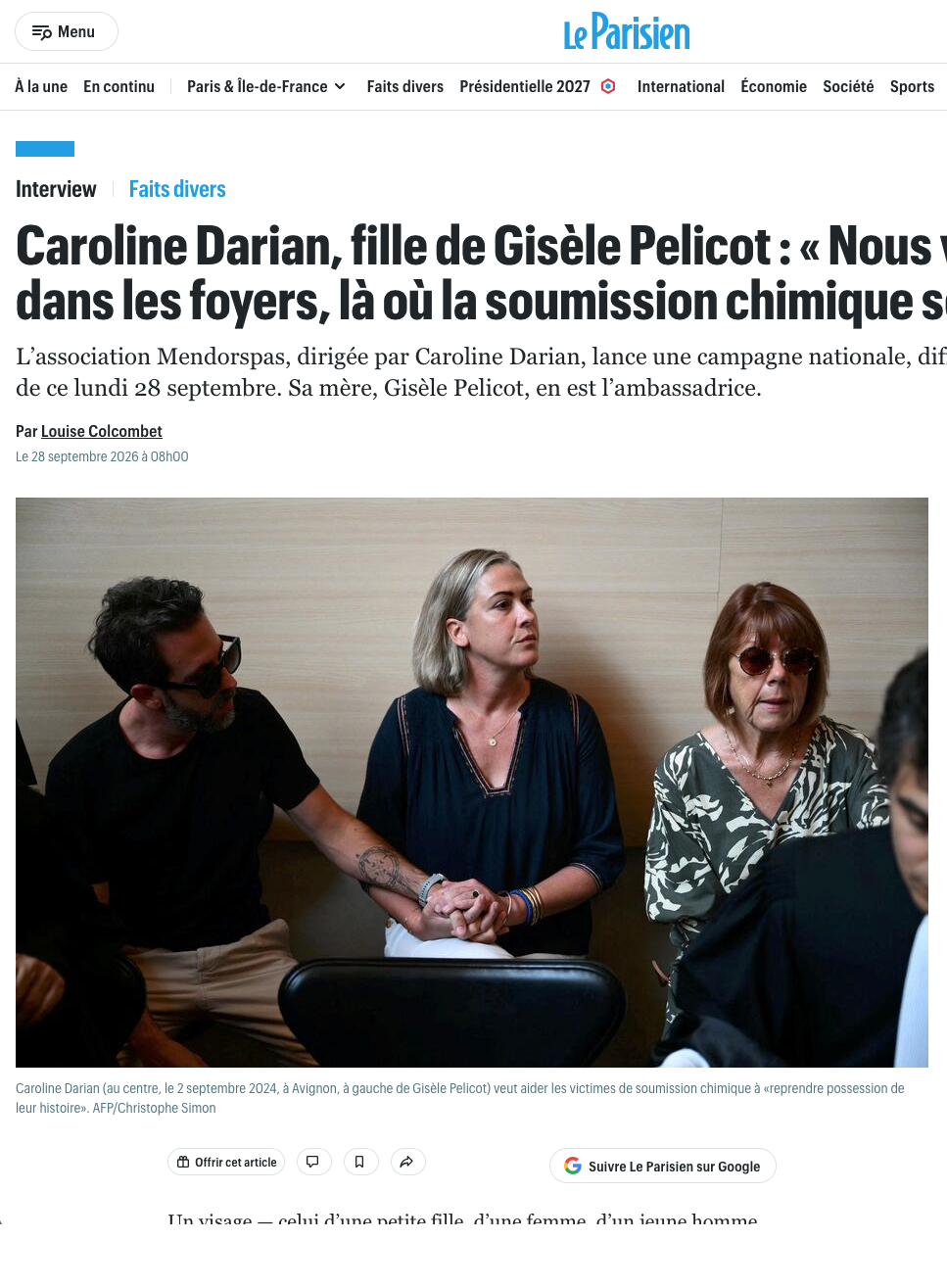
Caroline Darian, President
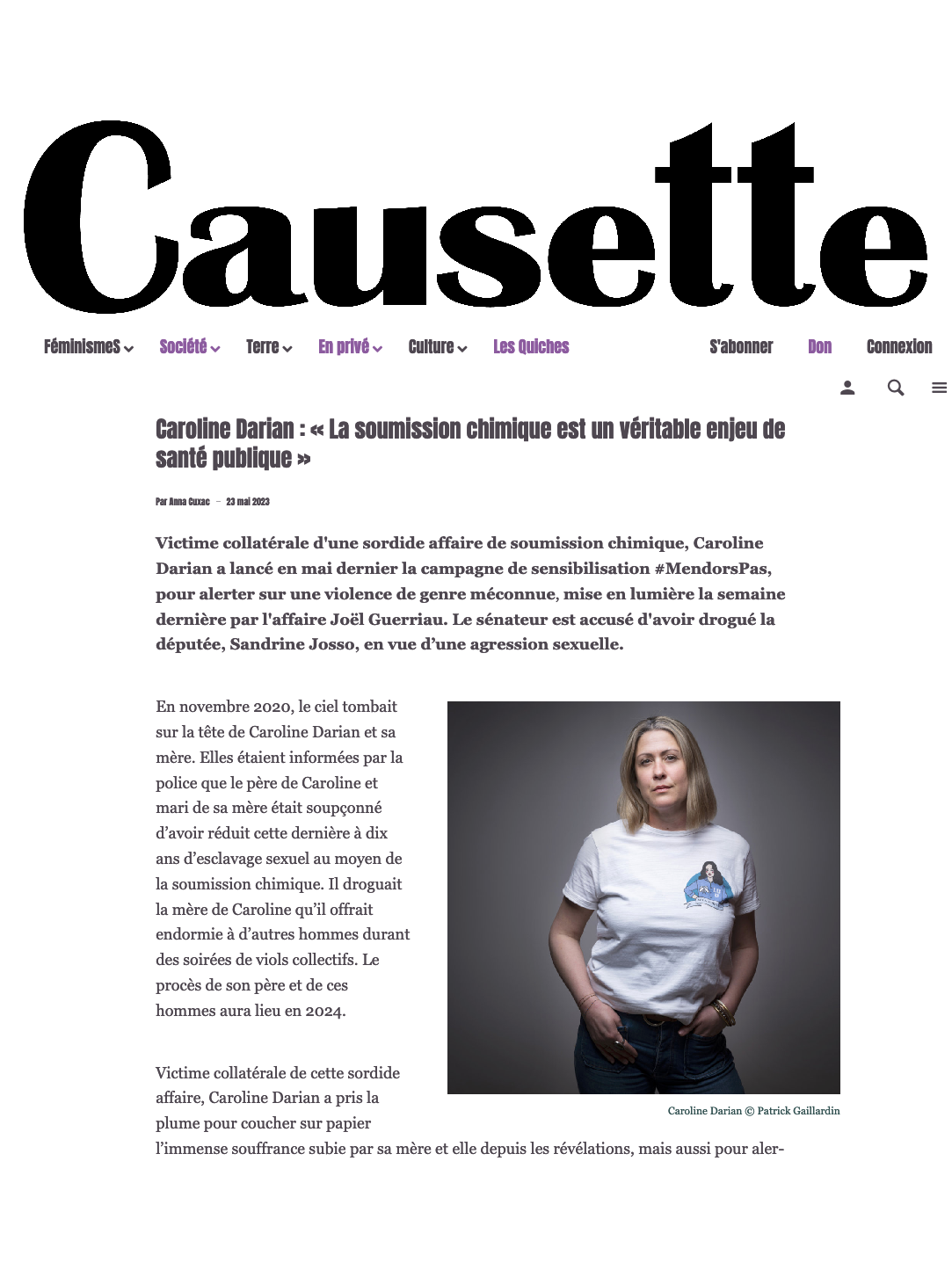
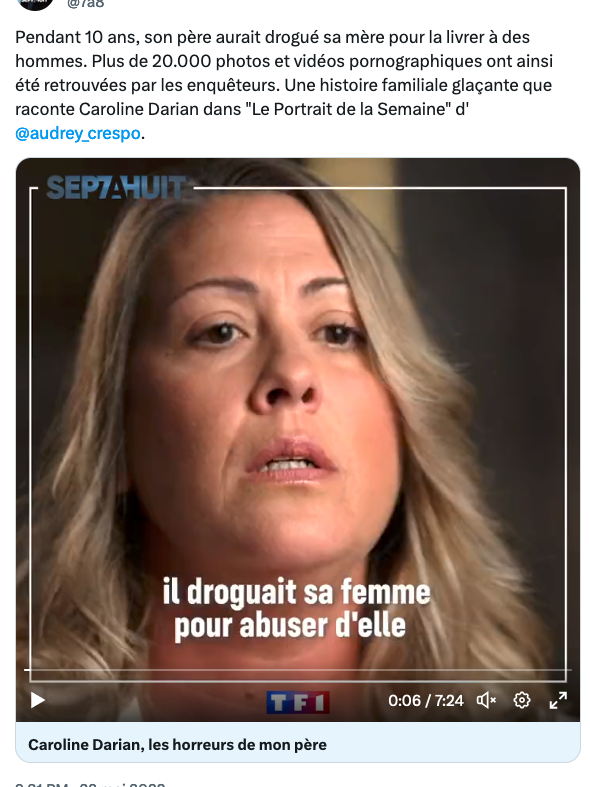
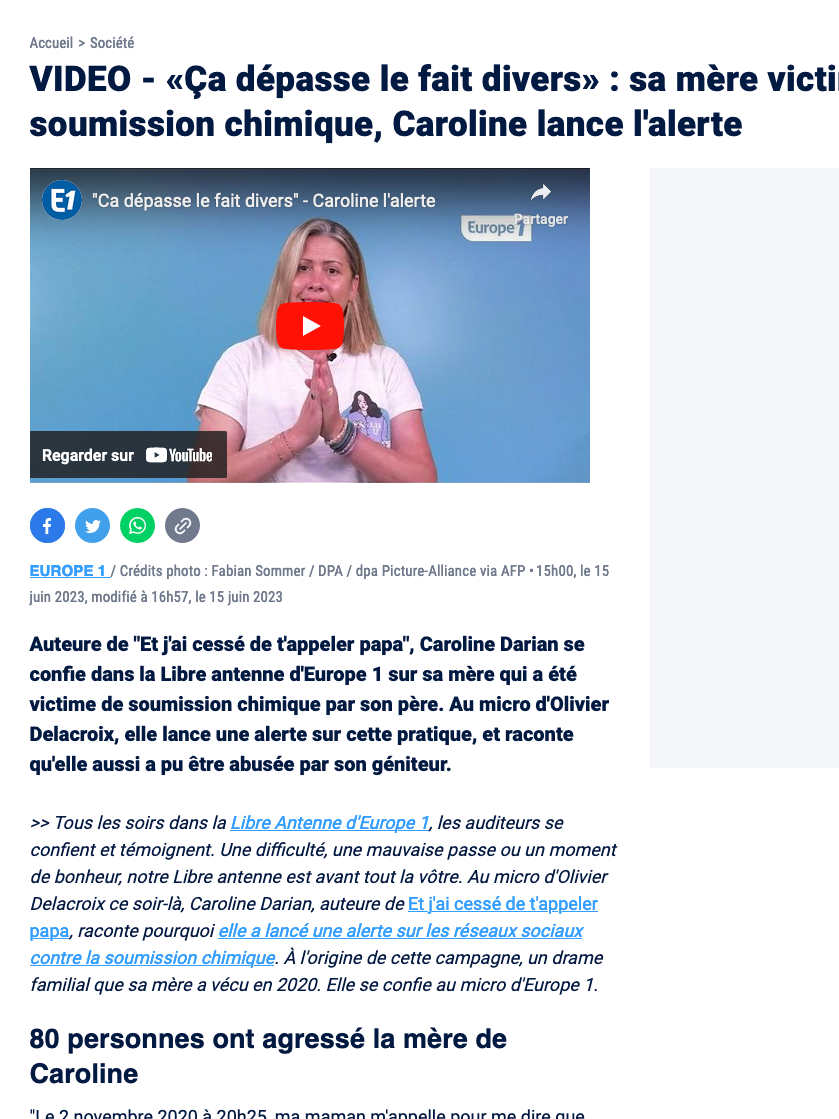
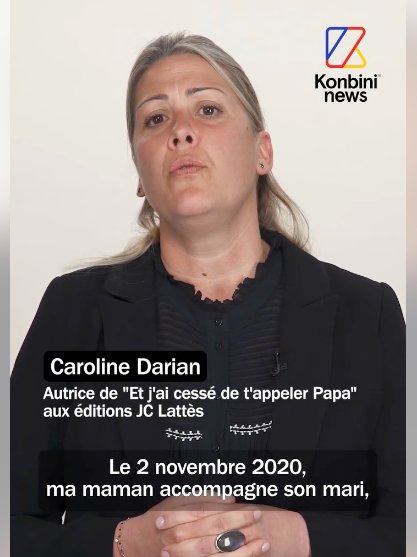
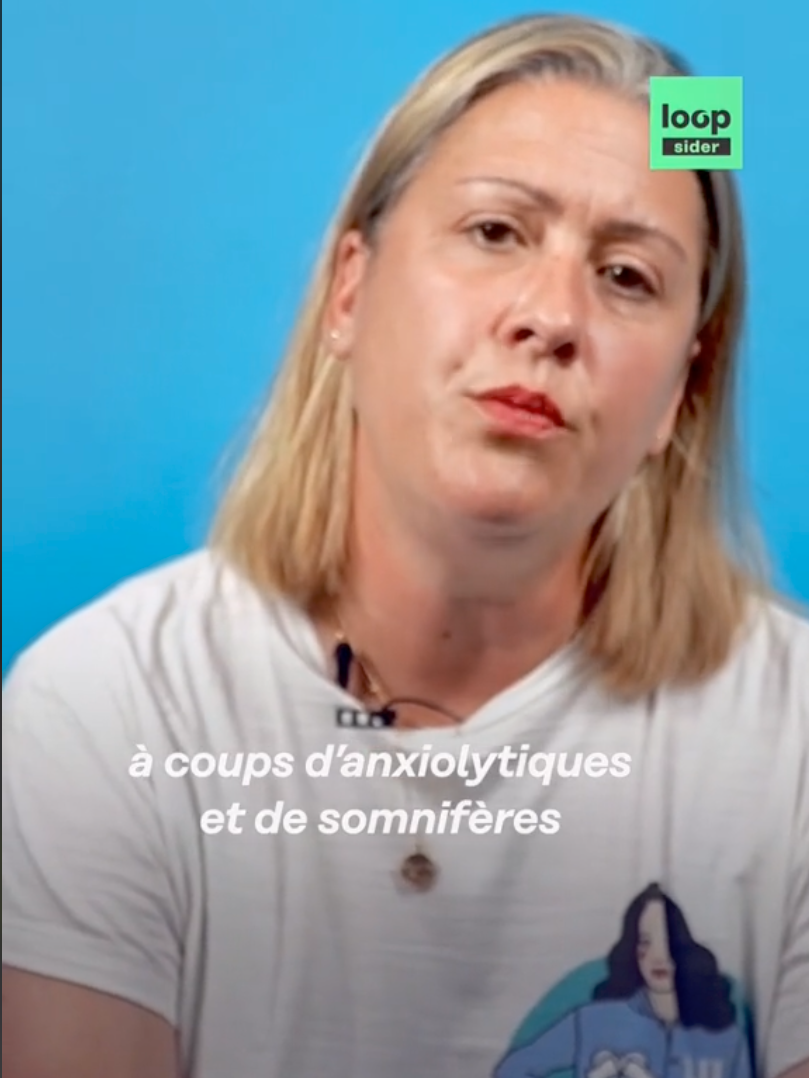
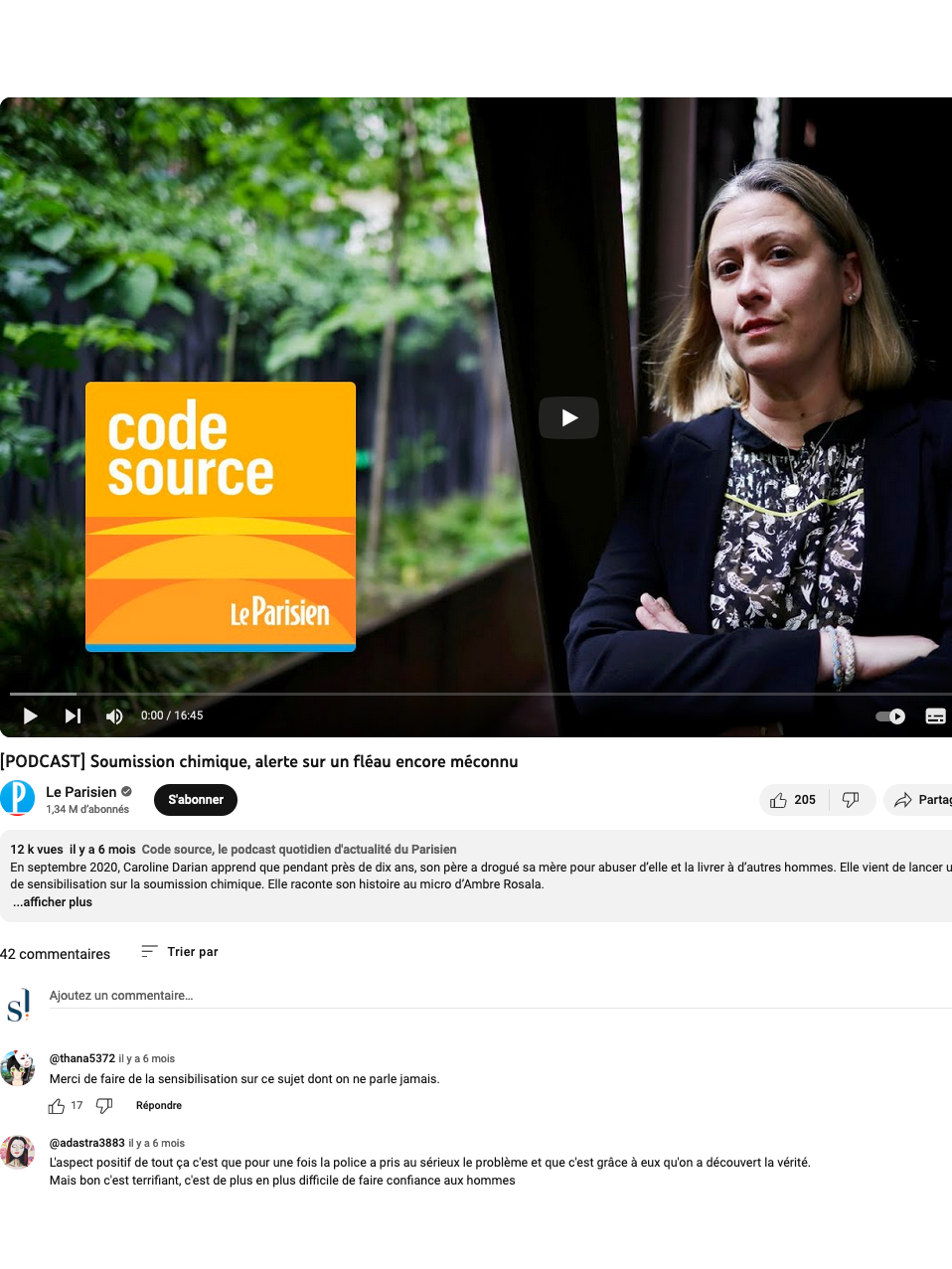
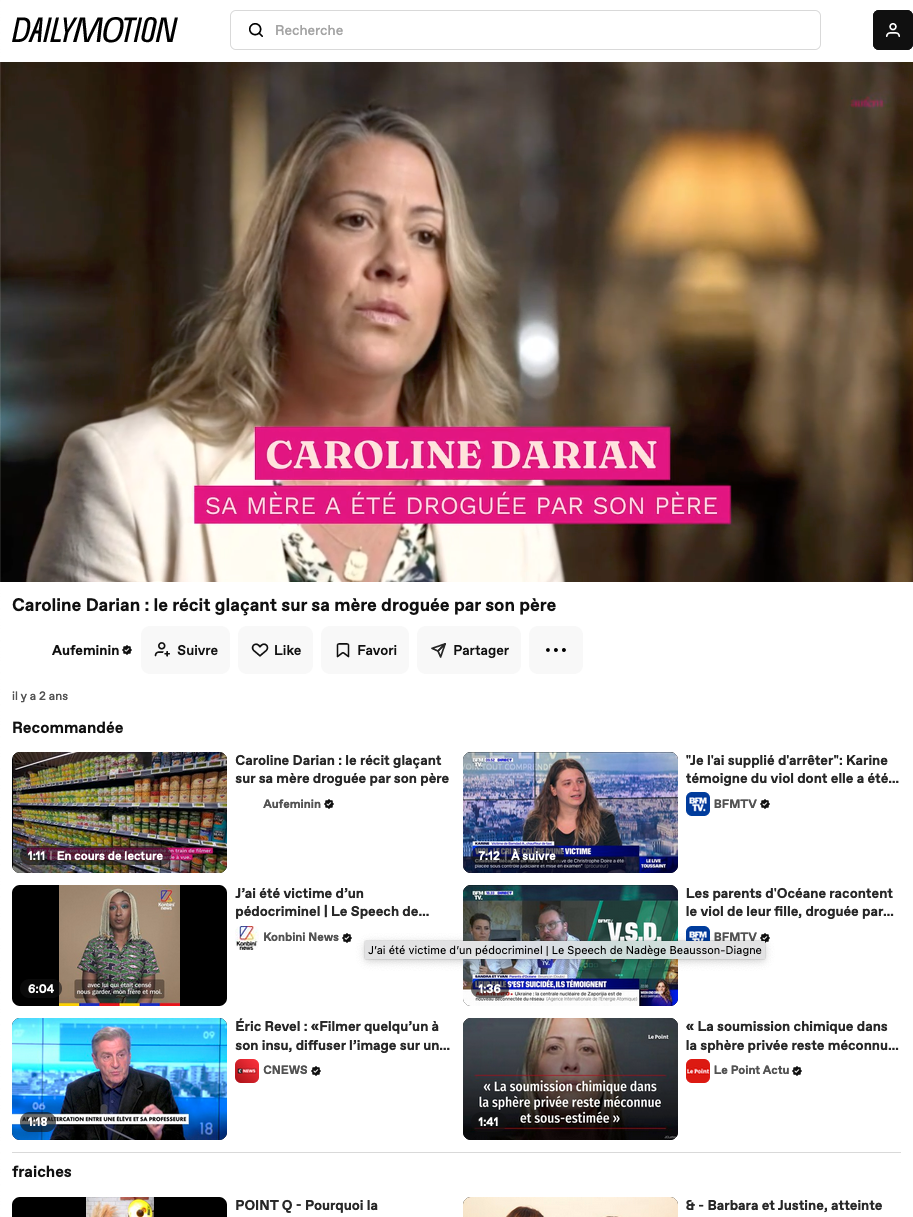
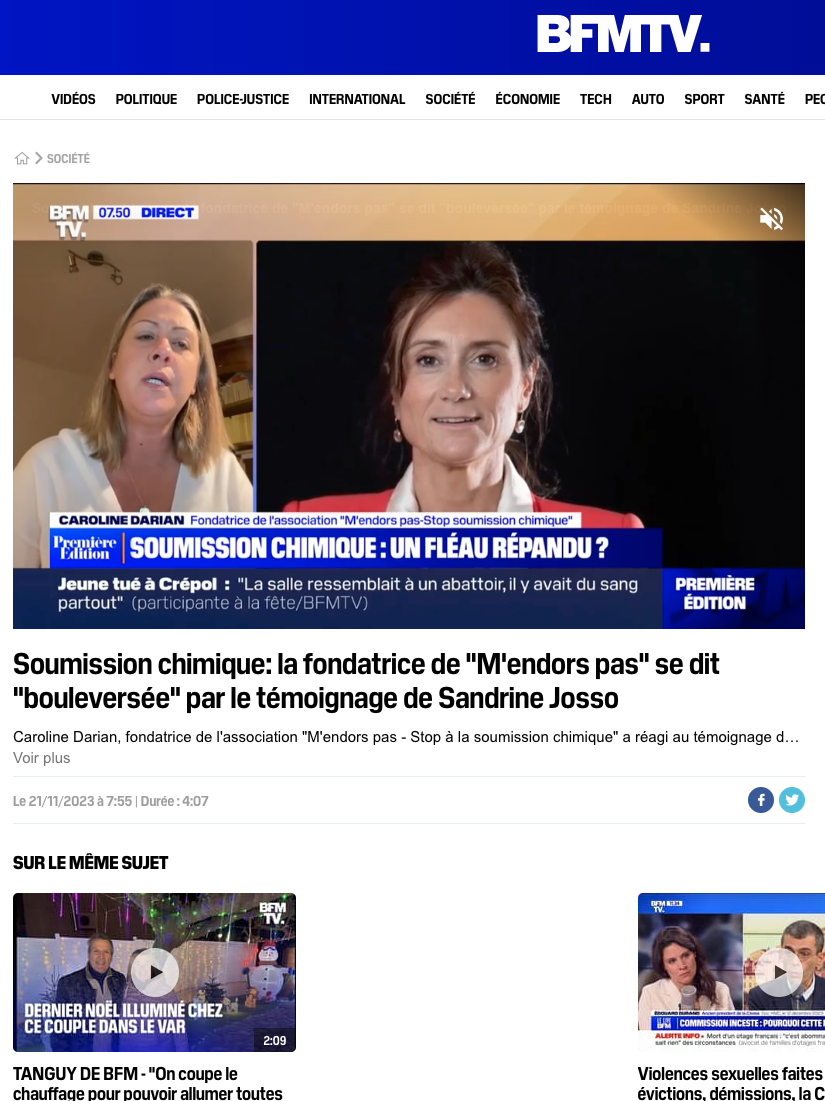
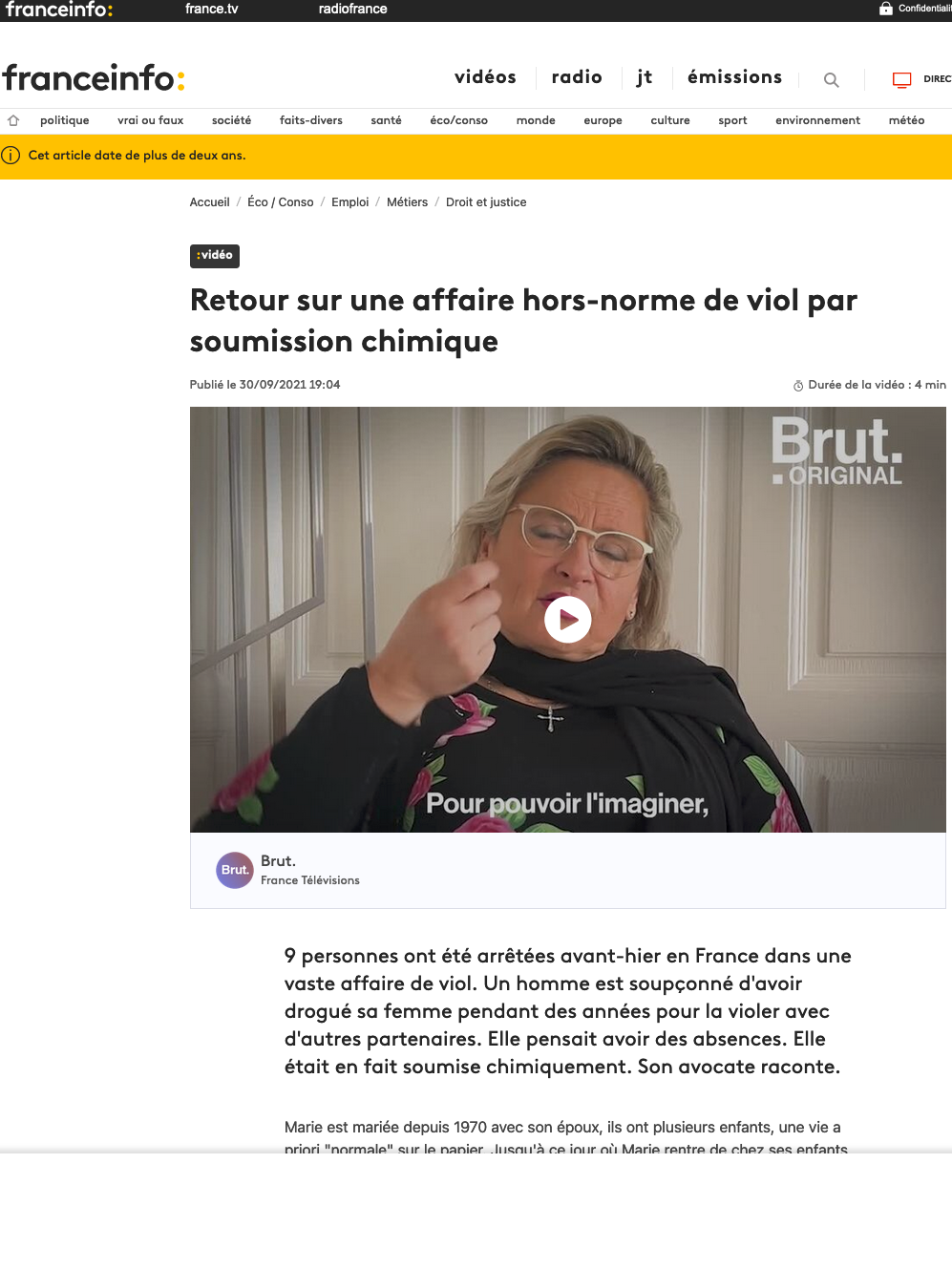
On November 2, 2020, the Carpentras police called Caroline Darian: her father was in police custody. An analysis of his computer revealed that, since 2013, he had been drugging his wife with sleeping pills and anti-anxiety medication before handing her over, unconscious, to other men. In her two literary accounts, *Et j’ai cessé de t’appeler Papa* and *Et pour que l’on se souvienne*, she recounts the shock of discovering that a beloved father is capable of the worst. She founded *M’endors pas* to raise awareness among as many people as possible about this public health issue.
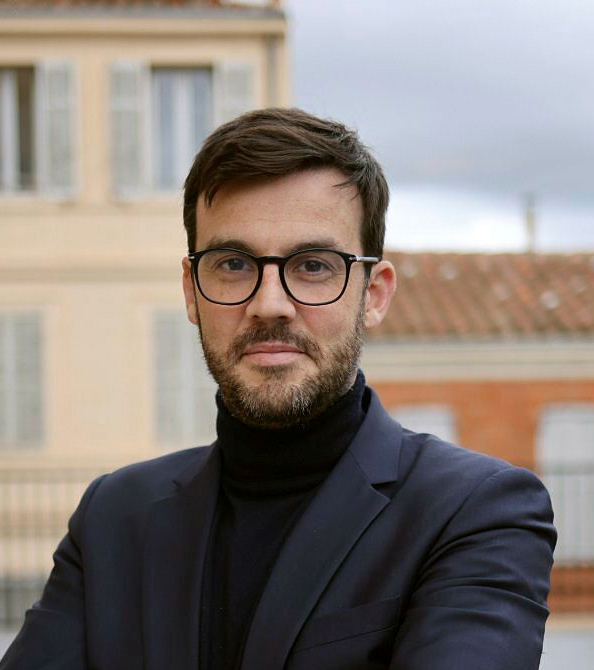
Arnaud Godefroy, Secretary General
A member of the Marseille Bar and holder of a doctorate in private law, Arnaud Godefroy advocates for victims of violence, particularly chemical submission. He brings his legal expertise and knowledge of the legal process faced by victims to the association. His commitment: to ensure their voices are heard, defend their rights, and improve the care they receive.
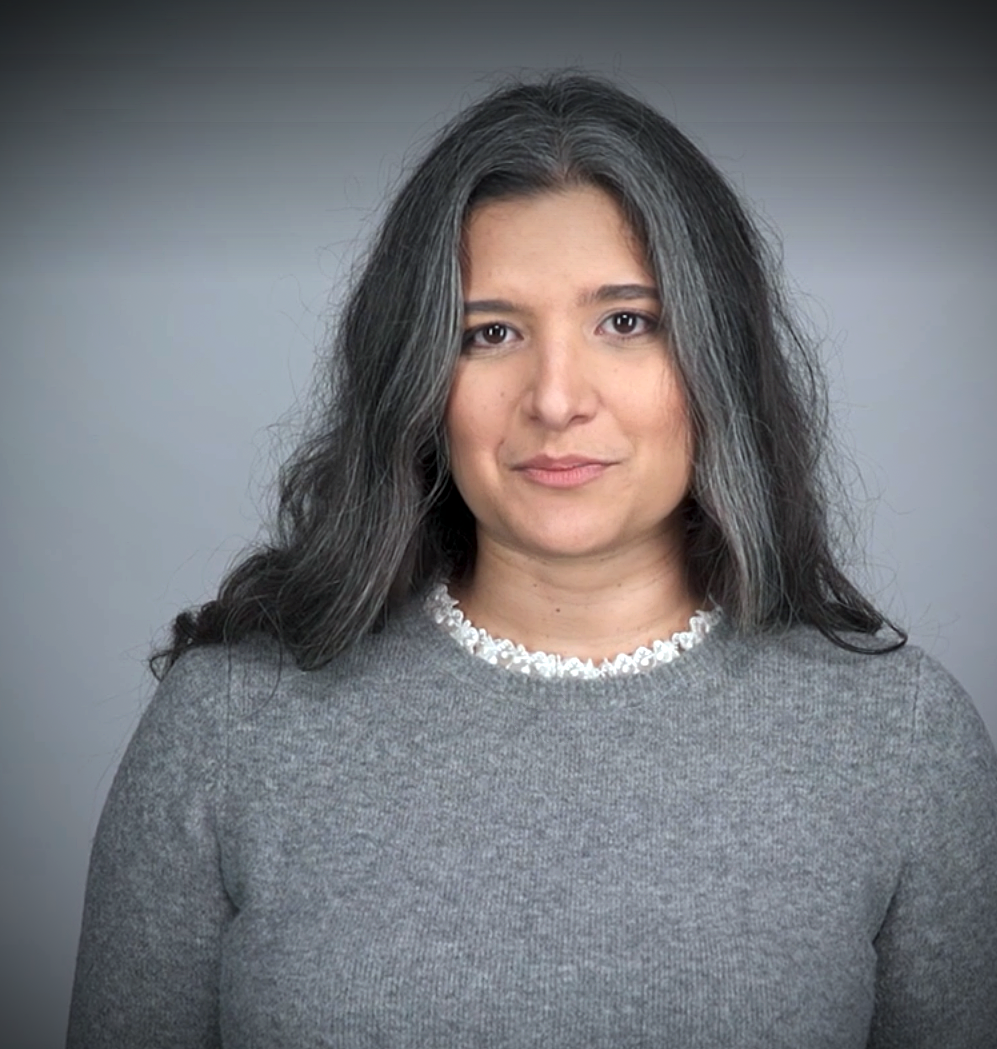
Arielle Schwab, Treasurer
Vice President of Havas Paris, in charge of advocacy, and co-CEO of the H/Advisors network, Arielle Schwab advises companies and executives on corporate communications, crisis management, and reputation management. She previously supported the transformation of the French government while at Eurogroup Consulting. She orchestrated the communications for the #MendorsPas movement from its inception. She is also a member of the board of the Foundation for the Memory of the Shoah and a trustee of Bibliothèques Sans Frontières and Langage des Femmes.
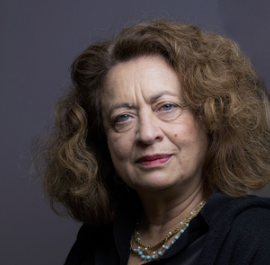
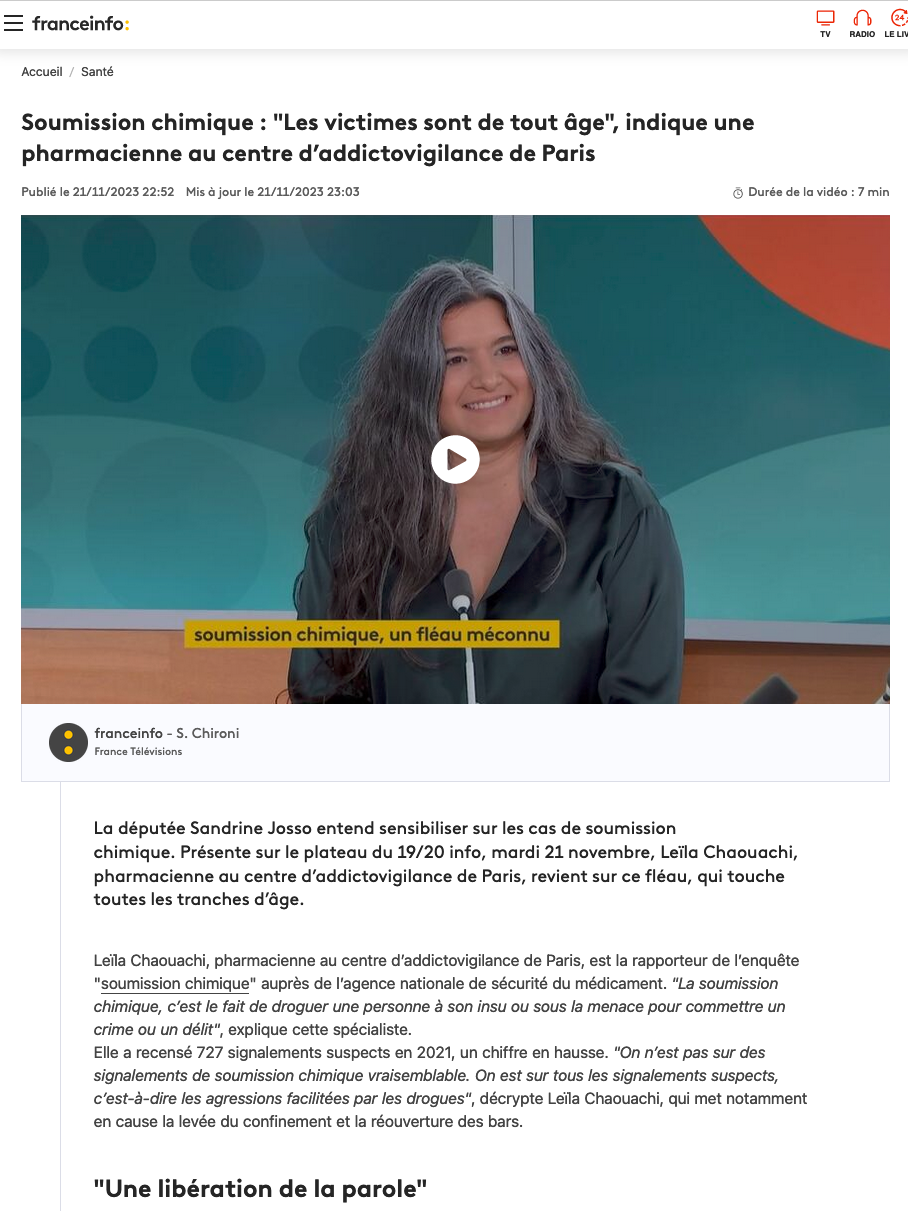
Dr. Leïla Chaouachi, Specialist in Pharmacology
Leïla Chaouachi, who holds a Ph.D. in Pharmacy, is a national expert on substance-facilitated assault investigations with the ANSM and conducts health surveillance at the Addictovigilance Center in Paris (Fernand-Widal Hospital, AP-HP). On October 15, 2024, she founded CRAFS, the first reference center on substance-facilitated assaults, which provides counseling to victims, their loved ones, and professionals. She also conducts scientific research on the criminal and delinquent use of substances, such as the GSC study, “GHB in Chemical Submission: Myth or Reality?,” which focuses on hair analysis.
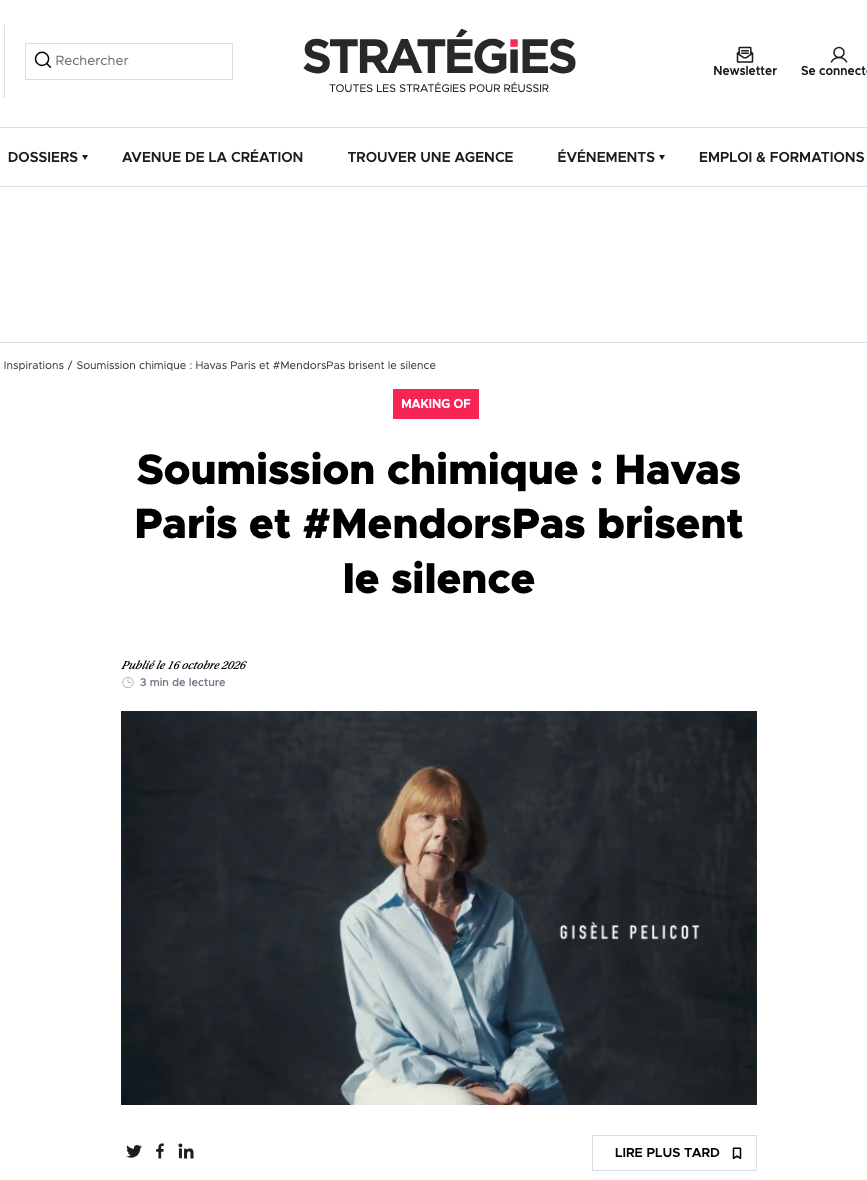
A series of videos to inform, raise awareness, prevent, and ensure we never remain silent again.
PRESS REVIEW


CONTACTS
This website is intended solely to provide information about the nature of the organization: M’endors pas, Stop Chemical Subjugation. If you are a victim or a witness, please refer to the tab HELP THE VICTIMS.
Comments on the contents of this site can be sent to mendorspas(at)gmail.com.
Website creator : Patrick Gaillardin